

Shimizu Mokuzai of Kiso manufactures and sells sushi-okes (wooden containers for sushi), ohitsus(wooden containers for rice) and Hinoki baths.


Weekdays 8:00am – 5:30pm


 >
>- Blog>
- Elevate Your Hinamatsuri! The Secret to Choosing the Perfect Sushi Oke
Blog
Elevate Your Hinamatsuri! The Secret to Choosing the Perfect Sushi Oke
2026年03月01日
As Hinamatsuri (Doll’s Festival) approaches, many hope to make their celebratory Chirashi Sushi (scattered sushi) more delicious and authentic. The key to achieving that professional touch actually lies in the tool you use: the Sushi Oke (also known as a handai).
Specifically, a sushi oke made of sawara wood is renowned for its ability to regulate moisture, bringing out a flavor that is truly a cut above. In this article, we’ll explore the secrets of choosing the right sushi oke and tips for making perfect sushi rice to ensure this year’s Hinamatsuri is a memorable one.
The Meaning Behind Chirashi Sushi: A Table Full of Tradition and Color
Chirashi sushi is an essential part of the Hinamatsuri feast. Beyond its delicious taste, it carries heartfelt wishes for the healthy growth and happiness of young girls.
Parental Love Hidden in the Ingredients
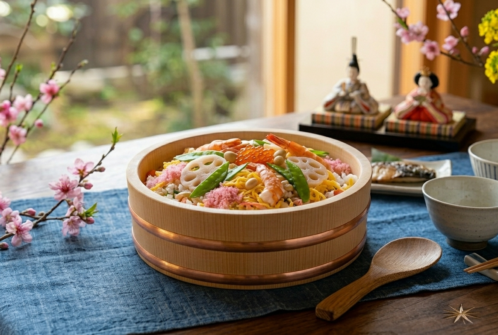
Each ingredient symbolizes good fortune. For example:
-
Shrimp: Longevity (until one’s back is bent like a shrimp).
-
Lotus Root (Renkon): A clear view of the future (thanks to its holes).
-
Beans (Mame): Health and the ability to work diligently (mame-ni).
Sharing this vibrant dish is a beautiful Japanese tradition that fosters family bonds and celebrates the arrival of spring. To truly do justice to these ingredients, the quality of the sushi rice is paramount. A wooden sushi oke is indispensable for absorbing excess steam and creating a fluffy, glossy texture that you simply cannot achieve in a plastic or ceramic bowl.
Why a “Sushi Oke” Upgrades Your Dish: Materials and Selection
Using a sushi oke instantly elevates both the appearance and the flavor of your sushi. Here is why it makes such a difference:
The Secret is “Moisture Regulation”
The magic lies in the wood’s ability to breathe. When you pour sushi vinegar over freshly cooked rice, the wooden walls absorb the excess moisture. This prevents the rice from becoming soggy or sticky, ensuring each grain is distinct and perfectly coated—the hallmark of ideal sushi rice.
Choosing the Right Size and Material
-
Material: Sawara (Japanese Cypress) is highly recommended. It has a fine grain, excellent absorbency, and a refreshing scent that enhances the rice’s aroma. It also possesses natural antibacterial properties.
-
Size: Choose a size that matches your household. Too large, and it becomes a storage burden; too small, and it’s difficult to mix the rice properly.
-
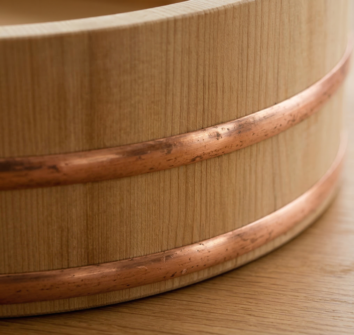
The Hoops (Taga): Pay attention to the bands holding the wood together. Copper hoops are beautiful and develop a lovely patina over time, while stainless steel hoops are rust-resistant and easier for everyday maintenance.
Simple Maintenance for Long-Lasting Use
To keep your sushi oke for years, wash it immediately after use with water and a scrub brush to remove any rice residue. Dry it thoroughly in a well-ventilated, shaded area. Preventing moisture from lingering is the best way to avoid mold.
Tips for Perfect Chirashi Sushi: Preparation and Presentation
Master the “Rice Cutting” Technique
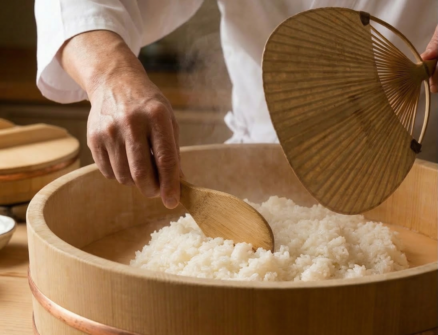
To get that professional flavor, pour your sushi vinegar mixture (vinegar, sugar, and salt) over the hot rice while it’s in the sawara sushi oke. Use a “cutting” motion with a rice paddle to mix, rather than mashing the grains. Use a paper fan (uchiwa) to cool the rice quickly while mixing; this creates a beautiful, professional-looking gloss.
Presentation: Feast with Your Eyes
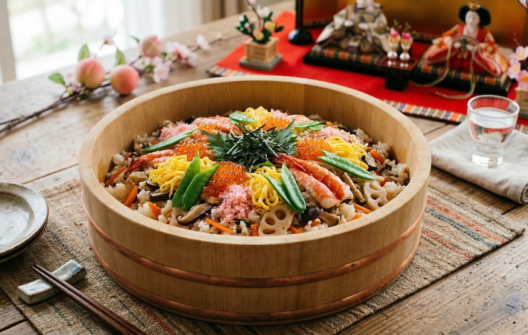
Once the rice is ready, prepare colorful toppings like shrimp, snow peas, shredded egg crepes (kinshi tamago), pink fish flakes (sakura denbu), and salmon roe (ikura). Instead of just laying them flat, try to arrange them with a sense of depth and balance to make the dish pop visually.
Conclusion
The sushi oke is more than just a kitchen utensil; it is a tool that elevates a meal into a celebration. When choosing one, consider your budget, storage space, and how much time you can dedicate to maintenance so that you can enjoy using it without stress.
A carefully chosen sawara sushi oke will make your Hinamatsuri celebrations more special year after year. Why not create a new family tradition this spring with a truly authentic bowl of Chirashi Sushi?