

Shimizu Mokuzai of Kiso manufactures and sells sushi-okes (wooden containers for sushi), ohitsus(wooden containers for rice) and Hinoki baths.


Weekdays 8:00am – 5:30pm


 >
>- Blog>
- [2026 Edition] How to Choose a Residential Wooden Bathtub: Key Comparison Points
Blog
[2026 Edition] How to Choose a Residential Wooden Bathtub: Key Comparison Points
2026年02月15日
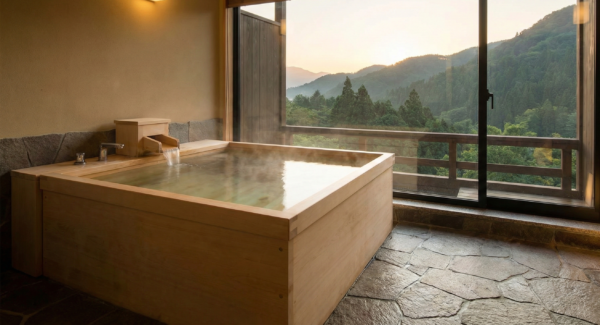
In today’s fast-paced world, “Wooden Bathtubs” are gaining significant attention as a way to transform the home bathroom into the ultimate relaxation sanctuary.
The natural warmth of the wood, the visual serenity, and the rich fragrance that fills the room offer a luxury experience that a standard modular bath simply cannot replicate.
However, installing a wooden bathtub often comes with concerns regarding “price transparency” and “maintenance anxiety.” If you choose a tub without considering the base price, long-term upkeep, and additional installation costs specific to your environment, you may face regrets later.
In this guide, based on the latest 2026 trends, we provide a professional analysis of the factors that determine wooden bathtub pricing and the key comparison points to ensure you make a choice you’ll love for years to come.
The Foundation of Price: Comparing Wood Species and Quality
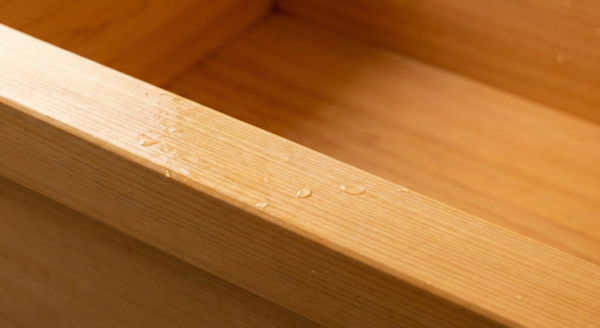
The cost of a wooden bathtub is largely dictated by the rarity and functionality of the timber.
First, let’s understand the characteristics of the four most representative types of wood.
1. Kiso Hinoki (Japanese Cypress): The Gold Standard of Tradition
Often considered synonymous with wooden baths, Kiso Hinoki grows through harsh winters, resulting in superior quality.
-
Characteristics: Defined by its incredibly fine grain, high durability, and sophisticated fragrance.
-
Price Point: Top-tier luxury. It offers unparalleled prestige and value as an architectural asset.
-
Best For: Those who want the absolute finest relaxation space without compromise.
2. Sawara (Japanese Sawara Cypress): The Best Balance of Utility and Cost
While visually similar to Hinoki, Sawara possesses more practical, functional traits.
-
Characteristics: Exceptionally lightweight; its water resistance is often said to surpass even Hinoki. It has a milder, subtler scent.
-
Price Point: More accessible than Hinoki, offering excellent value for the money.
-
Best For: Those who prioritize the warmth of natural wood while keeping a practical budget.
3. Koya Maki (Umbrella Pine): The Expert’s Choice for Lasting Beauty
Trusted since ancient times as the premier material for bath vessels.
-
Characteristics: Boasts outstanding water resistance due to its high resin content. Its beautiful white luster lasts a long time.
-
Price Point: A high-end material second only to Hinoki, but offers great long-term “cost-per-use” due to its longevity.
-
Best For: Connoisseurs who prioritize durability and maintaining a pristine aesthetic.
4. Aomori Hiba (Aomori Cypress): Powerful Antibacterial Properties and Deep Aroma
A highly functional wood rich in “Hinokitiol,” a natural compound known for its strength.
-
Characteristics: Features powerful antibacterial and anti-mold properties. It offers a deep, forest-like fragrance for a true “shinrin-yoku” (forest bathing) experience.
-
Price Point: Due to its rarity and specific functional benefits, it sits in the premium price bracket.
-
Best For: Those who prioritize ease of maintenance and want to be enveloped in a bold, therapeutic scent.
Custom vs. Ready-Made: How Size and Shape Affect Pricing
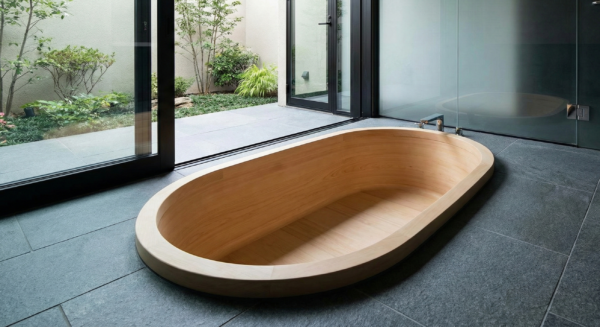
The configuration and specifications of your bathtub are critical factors that significantly influence the final investment.
-
The Line Between Ready-Made and Custom-Made Generally, “custom-made” implies a premium price tag. However, because our production is primarily built-to-order, there is virtually no price gap between our standard models and fully customized units.This allows you to tailor the dimensions perfectly to your available space or body type without unnecessary upcharges.
-
Design Complexity and Craftsmanship The more intricate the design, the more “master-hours” are required. While a classic rectangular tub is the most cost-effective, circular, oval, or contoured designs require advanced joinery and steam-bending techniques. Naturally, the price adjusts based on the level of craftsmanship involved.
The “Hidden” Factor: Installation Methods and Additional Costs
It is vital to account for installation expenses, which are often overlooked when looking at the price of the tub itself.
-
Freestanding (Floor-mounted): The tub is placed directly on the finished floor. This requires minimal construction, making it the most budget-friendly option and a highly viable choice for apartments or luxury condominiums.
-
Built-in (Recessed): The tub is sunken into the floor for easier entry and exit, creating a seamless aesthetic. However, this method requires extensive waterproofing and structural reinforcement of the subfloor, which will increase the overall construction budget.
Coating Technology to Enhance Maintainability
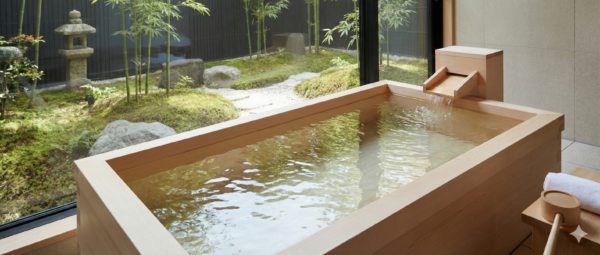
Protecting the Natural Beauty with “Penetrating Protectants”
To enhance water repellency without compromising the authentic texture of natural wood, our wooden bathtubs are finished with three meticulous coats of “Kihada Ichiban”—a specialized penetrating protectant—on both the interior and exterior surfaces.
This protectant is fully compliant with Food Sanitation Act standards, ensuring it is safe for the skin and the environment. By performing simple periodic maintenance (approximately every 6 months), you can effectively suppress mold growth and preserve the wood’s pristine beauty for years to come.
Final Checklist: Ensuring a Choice Without Regret
Before making your final decision, keep these three professional criteria in mind:
-
Verify Wood Thickness: For long-term durability against warping or cracking, ensure the wood has sufficient thickness—ideally around 30mm.
-
After-Sales Support: Wood is a “living material.” Choose a manufacturer with a robust maintenance system that looks 10 to 20 years into the future.
-
Fragrance Preference: Scent is a deeply personal experience. We invite you to visit our factory to experience the authentic aroma of the different wood species firsthand.
Conclusion
In 2026, choosing a wooden bathtub is not just about finding the lowest price—it’s about evaluating the “Total Cost,” including material quality, installation environment, and protective coatings.
By looking 15 or 20 years ahead, you can find the perfect tub that seamlessly integrates into your lifestyle.