

Shimizu Mokuzai of Kiso manufactures and sells sushi-okes (wooden containers for sushi), ohitsus(wooden containers for rice) and Hinoki baths.


Weekdays 8:00am – 5:30pm


 >
>- Blog>
- Why Rice Becomes Dramatically More Delicious in a Sawara Ohitsu
Blog
Why Rice Becomes Dramatically More Delicious in a Sawara Ohitsu
2026年02月01日
While freshly cooked rice has a special kind of magic, its flavor and texture tend to degrade over time. However, the “ohitsu” (a traditional wooden rice container) is a piece of ancient Japanese culinary wisdom that solves this beautifully.
In particular, ohitsu made from carefully selected sawara (Japanese cypress) wood are said to elevate the deliciousness of rice to another level.
In this article, we will explore the scientific reasons and material characteristics that explain why rice kept in a sawara ohitsu tastes so much better.
What is a Sawara Ohitsu? History and Material Characteristics
An ohitsu is a traditional wooden vessel used for transferring and storing freshly cooked rice.
Its history is long; before electric rice cookers became a household staple, these containers were an essential part of daily life in Japan. Today, they are being rediscovered—not merely as storage containers, but as specialized tools for enhancing the quality of rice.
While various types of wood are used to make ohitsu, Sawara (Japanese Cypress) is the material held in the highest regard.
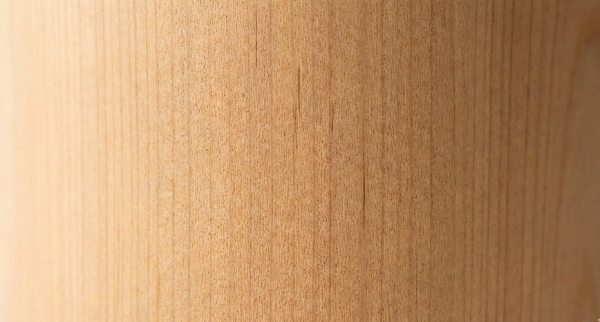
Sawara is a coniferous tree in the cypress family. Its name is said to derive from the word sawara (meaning “pure” or “clean”), reflecting the wood’s characteristic cleanliness and beautiful grain.
Ranked as one of the Kiso Goko (Five Sacred Trees of Kiso), it has been prized since ancient times for architecture, as well as for high-quality woodwork like buckets and rice containers.
Why is a Sawara Ohitsu Superior?
The most significant characteristic of Sawara wood is its exceptional moisture-regulating ability.
Additionally, it contains a natural oil content and a subtle, unique fragrance.
Its inherent antibacterial and insect-repellent properties also make it ideal for food preservation. These elements work in harmony to bring out the full flavor potential of the rice.
The Science of “Moisture” and “Temperature”: What Defines Delicious Rice
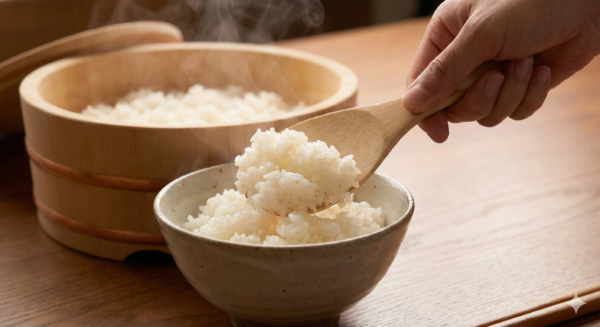
The palatability of rice is primarily determined by the state of its starch, its moisture content, and its temperature.
Freshly cooked rice is delicious because the starch has absorbed sufficient water and undergone gelatinization (alpha-starch), resulting in a plump, soft texture.
However, as time passes, the starch gradually loses moisture and transforms into a hard, dry state—a process known as retrogradation (beta-starch or “aging”).
When storing rice, two major issues arise: dryness and condensation.
-
Dryness: If too much moisture evaporates, the grains harden, leading to a dry and crumbly texture.
-
Condensation: In a sealed container, steam from the rice cools and turns into water droplets that cling to the surface of the grains. This causes sogginess and can encourage the growth of bacteria.
-
Temperature Fluctuations: Rapid changes in temperature also accelerate starch retrogradation, compromising the overall flavor.
The key to preserving the deliciousness of rice lies in how effectively these issues are managed.
The Mechanism of the Sawara Ohitsu: Exceptional Moisture Regulation
Sawara wood possesses a porous structure with countless microscopic cavities, which serves as the source of its superior ability to absorb and release moisture.
-
Absorption: The wood quickly absorbs excess steam rising from freshly cooked rice. This prevents sogginess caused by water droplets forming on the surface and inhibits the bacterial growth that can result from excess humidity.
-
Desorption (Release): Conversely, to prevent the rice from becoming too dry, the wood slowly releases the moisture it has stored, maintaining a consistent and ideal humidity level.
This exquisite moisture-regulating function is the secret to keeping every single grain of rice plump and flavorful without becoming sticky.
It is as if the rice is “breathing”; because the wood constantly provides an optimal environment, the rice maintains a quality remarkably close to being freshly cooked for a long duration.
The Antibacterial, Deodorizing, and Aromatic Benefits of Sawara
Sawara wood contains phytoncides, natural aromatic compounds inherent to many trees. These compounds are well-known for their antibacterial properties, which help inhibit the growth of microbes.
This natural defense mechanism helps prevent rice spoilage and bacterial proliferation. Compared to storing rice in plastic containers under the same conditions, rice in a Sawara ohitsu is known to be less prone to degradation.
Furthermore, the refreshing woody scent characteristic of Sawara enhances the flavor profile of the rice. The subtle aroma that transfers to the grains stimulates the appetite and elevates an everyday meal into a richer experience.
Simultaneously, the wood acts as a natural deodorizer, absorbing unwanted odors and preventing them from becoming trapped inside the vessel. These combined effects are crucial elements in why rice from a Sawara ohitsu tastes so exceptional.
Temperature Management: The Insulating Power of Sawara
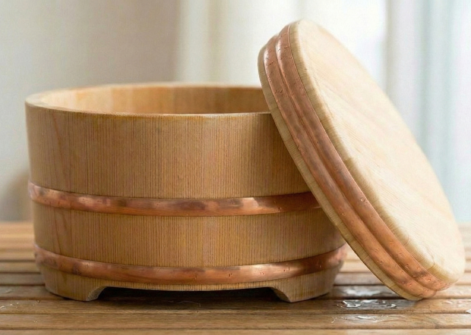
Wood generally has low thermal conductivity, making it an excellent natural insulator—and Sawara is no exception. This insulation plays a vital role in protecting rice from rapid temperature fluctuations, thereby extending its peak flavor.
When freshly cooked rice is transferred to the ohitsu, the wood retains a moderate amount of heat while shielding the rice from the external environment. This slows down the cooling process, which in turn delays starch retrogradation (the hardening of the rice).
Unlike electric rice warmers, which keep rice hot indefinitely—often leading to dryness, discoloration, and the development of off-flavors—the ohitsu avoids these pitfalls. Even when kept at room temperature, a Sawara ohitsu maintains the rice within an optimal temperature range to preserve its quality. This demonstrates how traditional culinary wisdom perfectly aligns with modern scientific understanding.
How to Choose and Care for Your Sawara Ohitsu
When selecting a Sawara ohitsu, pay close attention to the beauty of the grain, the precision of the craftsmanship, and the material and tension of the taga (the metal or bamboo hoops binding the wood). An ohitsu carefully handmade by a skilled artisan is a masterpiece that can be cherished for a lifetime.
Proper maintenance is equally essential:
-
Cleaning: After use, wash the vessel thoroughly to ensure no rice grains remain.
-
Drying: Wipe off excess moisture and allow it to dry completely in a well-ventilated area.
-
Protection: Avoid direct sunlight and rapid drying (such as using a hair dryer or heater), as these can cause the wood to crack or warp.
With the right care, a Sawara ohitsu will develop a beautiful patina over time, continuing to support the deliciousness of your rice for many years to come.
Conclusion
In this article, we explored the reasons why rice kept in a Sawara ohitsu tastes so extraordinary.
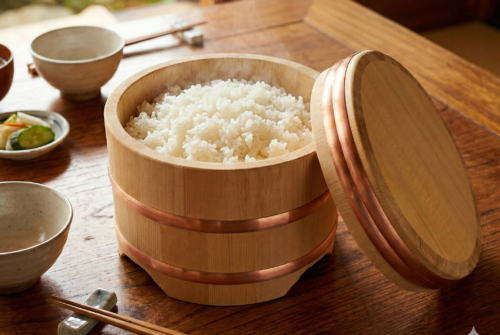
Through its exceptional moisture-regulating properties, the Sawara ohitsu maintains the perfect water balance, ensuring the rice remains plump with clearly defined grains.
Furthermore, the wood’s natural antibacterial and deodorizing effects enhance preservation, while the subtle woody aroma stimulates the appetite.
Additionally, the insulating quality of the timber helps maintain an ideal temperature, effectively slowing down starch retrogradation.
These combined factors allow the ohitsu to preserve the magic of freshly cooked rice for long periods, delivering a delicious experience even after the rice has cooled. Far more than a mere storage container, the Sawara ohitsu is a tool where the wisdom of Japanese food culture meets the power of nature—the ultimate instrument for perfecting rice.
We invite you to take this opportunity to experience for yourself the moving, exceptional flavor that a Sawara ohitsu brings to the table.